Silikon Laminasyon/1) Dantel Silikon Laminasyon/Adsız tasarım (4).jpg)
 Sütyen Aksesuarları/3) Plastik Sütyen Halkaları/Sütyen Halka-1.jpg)
Silikon Laminasyon
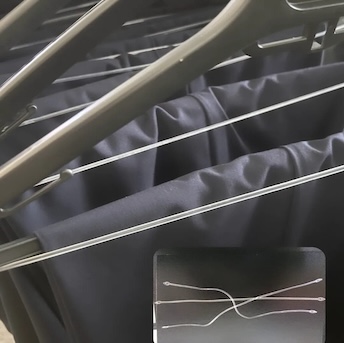
Silikon laminasyon, genellikle baskı işlemlerinde kullanılan bir tekniktir. Bu teknik, baskı ürünlerine dayanıklılık ve parlaklık kazandırmak amacıyla uygulanır.
Silikon laminasyon işlemi, bir baskı ürününün üzerine ince bir silikon tabaka uygulayarak gerçekleştirilir. Bu tabaka, baskı ürününü çizilmelere, solmaya ve suya karşı korur. Ayrıca ürünün parlak bir görünüm kazanmasını sağlar.
Silikon laminasyon, genellikle kartvizitler, broşürler, kataloglar, etiketler gibi baskılı ürünlerde kullanılır. Bu ürünlerin dayanıklılığını artırmak ve daha profesyonel bir görünüm elde etmek için silikon laminasyon tercih edilir.
Silikon laminasyon, bir laminasyon makinesi yardımıyla gerçekleştirilir. İşlem, baskılı ürünün üzerine silikon tabakasının uygulanmasıyla başlar. Ardından laminasyon makinesinin içinden geçirilen ürün, tabakanın üstünde ısınır ve yapışır. Bu sayede silikon tabaka baskılı ürüne sıkıca yapışır ve dayanıklılığı artırır.
Silikon laminasyon, baskılı ürünün ömrünü uzatır ve korurken aynı zamanda daha cazip ve profesyonel bir görünüm sağlar. Bu teknik, reklam ve pazarlama materyalleri gibi öne çıkan ürünlerin kalitesini artırmak için de sıkça kullanılır.
Genel olarak, silikon laminasyon baskılı ürünlere dayanıklılık, suya dayanıklılık ve parlaklık kazandıran bir tekniktir. Baskılı ürünlerin görünümünü iyileştirirken aynı zamanda uzun ömürlü olmalarını sağlar.
Silikon Laminasyonu Nedir?
Silikon laminasyonu, elektronik cihazların korunması için kullanılan bir işlem yöntemidir. Bu işlem sayesinde elektronik bileşenler, silikon tabakası ile kaplanarak çeşitli dış etkenlere karşı korunurlar. Silikon laminasyonu, elektronik cihazların su, toz, darbe ve termal şoklara karşı dayanıklılığını artırır. Aynı zamanda elektrik yalıtımı sağlayarak ömrünü uzatır.
Silikon Laminasyonu Nasıl Yapılır?
Silikon laminasyonu yapmak için aşağıdaki adımları takip etmelisiniz:
- Öncelikle elektronik bileşenlerinizi temizlemelisiniz. İyi bir temizlik, silikon tabakasının bileşenlere sağlam bir şekilde yapışmasını sağlar.
- Sonrasında silikon laminasyon cihazınızı hazırlamalısınız. Bu cihaz, silikon tabakasını uygulayacak ve sertleştirecek olan bir aparat içerir.
- Silikon laminasyon cihazının sıcaklık ve hız ayarlarını doğru bir şekilde yapmalısınız. Bu ayarlar, silikon tabakasının bileşenlere tam olarak uygulanmasını sağlar.
- Silikon tabakasını bileşenlerin üzerine uygulamalısınız. Bu aşamada dikkat etmeniz gereken nokta, silikonun bileşenlerin üzerini tamamen kaplaması ve herhangi bir boşluk bırakmamasıdır.
- Silikon tabakasının sertleşmesini beklemelisiniz. Bu süre, laminasyon cihazının üretici tarafından belirtilen süre kadar olmalıdır.
- İşlem tamamlandıktan sonra elektronik bileşenlerinizi kontrol etmelisiniz. Silikon laminasyonu doğru bir şekilde yapıldıysa, bileşenlerin üzerinde pürüzsüz ve tam bir kaplama olmalıdır.
Silikon laminasyonu işlemi, elektronik cihazların dayanıklılığını ve ömrünü artırmak için oldukça önemlidir. Bu işlemi doğru bir şekilde uygulamak, cihazların uzun süreli kullanımını sağlar. Silikon laminasyonu ile cihazlarınız suya, toza ve darbelere karşı daha iyi korunur ve böylece arızalanma riski azalır.
Silikon laminasyonun uygulanabileceği farklı yüzeyler nelerdir?
Silikon laminasyon, birçok farklı yüzeye uygulanabilen etkili bir kaplama yöntemidir. Bu yöntem, yüzeylere koruma, estetik ve dayanıklılık sağlamak için kullanılır. Silikon laminasyonun uygulanabileceği bazı farklı yüzeyler aşağıda listelenmiştir.
1. Ahşap Yüzeyler
Silikon laminasyon, ahşap yüzeylerde kullanılarak hem koruyucu bir tabaka oluşturur hem de estetik bir görünüm sağlar. Ahşap mobilyalar, zeminler ve kaplamalar silikon laminasyon ile korunabilir ve uzun ömürlü hale getirilebilir. Bu yöntem, ahşabın doğal dokusunu ortaya çıkarırken aynı zamanda çizilmelere, lekelere ve günlük kullanımdan kaynaklanan hasarlara karşı koruma sağlar.
2. Metal Yüzeyler
Metal yüzeyler, paslanma, çizilme ve korozyona karşı korumak için silikon laminasyon ile kaplanabilir. Otomotiv endüstrisinde sıkça kullanılan bu yöntem, araç parçalarının dayanıklılığını artırır ve estetik bir görünüm sağlar. Metal kaplamalar da silikon laminasyon sayesinde uzun ömürlü hale gelir.
3. Plastik Yüzeyler
Silikon laminasyon, plastik yüzeylerde kullanılarak bu malzemelerin yaşlanma, çizilme ve solma gibi olumsuz etkilerine karşı koruma sağlar. Bu yöntem, plastik ürünlere dayanıklılık ve uzun ömür kazandırırken aynı zamanda parlak bir görünüm sunar. Plastik mobilyalar, ambalaj malzemeleri ve elektronik aletler silikon laminasyon ile korunabilir.
4. Seramik Yüzeyler
Silikon laminasyon, seramik yüzeylerde kullanılarak bu malzemelerin çizilmelere, lekelere ve kimyasallara karşı daha dayanıklı hale gelmesini sağlar. Banyo ve mutfak gibi alanlarda sıkça kullanılan seramik ürünlerin ömrünü uzatan bu yöntem, aynı zamanda kolay temizlenebilir bir yüzey oluşturur.
| Yüzey Türü | Silikon Laminasyon Kullanımı |
|---|---|
| Ahşap | Estetik görünüm sağlar, koruma sağlar |
| Metal | Korozyona karşı koruma sağlar, dayanıklılık artırır |
| Plastik | Dayanıklılık sağlar, parlak görünüm kazandırır |
| Seramik | Dayanıklılık sağlar, kolay temizlenebilirlik sağlar |
Silikon laminasyon, farklı yüzeylere uygulanabilecek çok yönlü bir kaplama yöntemidir. Bu yöntem sayesinde ahşap, metal, plastik ve seramik gibi yüzeyler daha dayanıklı, estetik ve korumalı hale gelir. Siz de bu yöntemi kullanarak yüzeylerinizi uzun ömürlü ve göz alıcı yapabilirsiniz.
Silikon Laminasyonun Kullanım Alanları
Silikon laminasyon, son yıllarda birçok endüstriyel sektörde geniş bir kullanım yelpazesine sahip olan bir teknolojidir. İşte silikon laminasyonun başlıca kullanım alanları:
- Elektronik Sektörü: Silikon laminasyon, elektronik bileşenlerin korunması ve yalıtımı için sıkça kullanılmaktadır. Özellikle devre kartları, transistörler ve sensörler gibi hassas parçalar silikon laminasyon ile kaplanarak nem, toz ve darbelere karşı korunurlar.
- Tıp Alanı: Tıp endüstrisi, silikon laminasyonun sağladığı özelliklerden faydalanır. Örneğin, implantlar ve protezler gibi medikal ürünlerde silikon laminasyon kullanılarak ürünlerin daha dayanıklı, hijyenik ve biyouyumlu olması sağlanır.
- Otomotiv Sektörü: Silikon laminasyon, otomotiv endüstrisinde de yaygın olarak kullanılan bir teknolojidir. Özellikle motor ve araç elektroniği gibi alanlarda silikon kaplamalar, yalıtım ve ısı dağılımı gibi önemli işlevleri yerine getirir.
- Enerji Üretimi: Silikon laminasyon, güneş enerjisi panelleri ve rüzgar türbinleri gibi enerji üretiminde kullanılan ekipmanlarda da yer alır. Bu sayede ekipmanlar dayanıklı hale gelir ve uzun bir ömürleri olur.
- Uzay ve Havacılık: Uzay ve havacılık endüstrileri, silikon laminasyonun önemli kullanım alanları arasındadır. Uzay araçlarında ve uydularda kullanılan elektronik bileşenlerin korunması için silikon laminasyon sıklıkla tercih edilir.
Silikon laminasyonun bu sektörlerdeki kullanım alanları sürekli olarak artmaktadır. Teknolojik gelişmeler ile birlikte silikon laminasyonun sağladığı avantajlar daha fazla farkedilmekte ve tercih edilmektedir.
Silikon Laminasyonun Avantajları ve Dezavantajları
Silikon laminasyon, birçok endüstride yaygın olarak kullanılan bir teknolojidir. Bu teknoloji, elektronik cihazların korunması, izolasyonu ve güvenliği açısından önemli avantajlar sunar. Ancak, bazı dezavantajları da vardır. Bu makalede, silikon laminasyonun avantajlarını ve dezavantajlarını detaylı bir şekilde ele alacağız.
Silikon Laminasyonun Avantajları
Koruma ve İzolasyon: Silikon kaplama, elektronik bileşenlerin toz, nem, kimyasal maddeler ve dış etkilerden korunmasını sağlar. Bu da cihazların ömrünü uzatır ve arıza riskini azaltır. Ayrıca, yüksek gerilimli uygulamalarda izolasyon sağlayarak güvenlik açısından da önemli bir avantaj sunar.
Elastikiyet ve Esneklik: Silikon laminasyon, esnek bir yapıya sahiptir. Bu özellik, bileşenlerin termal genleşme ve titreşimlere karşı dayanıklılığını artırır. Ayrıca, darbelere karşı da daha dirençlidir, böylece cihazların fiziksel hasar riskini azaltır.
Koruyucu Kaplama: Silikon kaplama, yüksek sıcaklık, asit, solvent ve UV etkilerine dayanıklıdır. Bu özellikler, cihazların zorlu çalışma koşullarında bile dayanıklılığını korumasını sağlar. Ayrıca, parlaklığı ve şeffaflığıyla da estetik bir görünüm sağlar.
Silikon Laminasyonun Dezavantajları
Maliyet: Silikon laminasyonun maliyeti diğer bazı kaplama teknolojilerine göre daha yüksek olabilir. Bu da başlangıç maliyetini artırabilir. Ancak, uzun vadeli kullanımda sağladığı avantajlar göz önüne alındığında, maliyet-etkin bir çözüm olduğu söylenebilir.
Tasarım Zorlukları: Silikon laminasyon, bazı tasarım zorluklarına neden olabilir. Özellikle, karmaşık şekillere sahip bileşenlerde uygulaması daha zor olabilir. Bu durum, üretim sürecinde ekstra dikkat gerektirebilir.
Bakım ve Onarım: Silikon laminasyonlu cihazlar, bakım ve onarıma ihtiyaç duyduğunda daha fazla zaman ve maliyet gerektirebilir. Kaplama tabakasının kaldırılması ve yeniden uygulanması, uzmanlık ve hassasiyet gerektiren bir işlemdir.
Sonuç
Silikon laminasyon teknolojisi, elektronik cihazların korunması ve güvenliği açısından önemli avantajlar sunar. Ancak, maliyeti, tasarım zorlukları ve bakım/onarım gereksinimi gibi dezavantajları da vardır. Bu nedenle, kullanılacak uygulamanın gereksinimleri dikkate alınarak bu teknolojinin kullanımı değerlendirilmelidir.
Silikon Laminasyonun Süreci Nasıl İlerler?
Silikon laminasyon, elektronik cihazlar ve enerji sistemlerinde yaygın olarak kullanılan bir üretim sürecidir. Bu makalede, silikon laminasyonun nasıl ilerlediğini ayrıntılı bir şekilde açıklayacağız.
Silikon Laminasyon Nedir?
Silikon laminasyon, ince bir silikon tabakanın bir yüzeye uygulanması sürecidir. Bu süreçte, silikon malzeme öncelikle bir bobin veya rulo halinde temin edilir. Daha sonra, silikon tabakası belirli bir yüzeye yapıştırılır.
Silikon laminasyon sürecinde, silikon tabakası özel bir yapıştırıcı ile yüzeye tutturulur. Bu yapıştırıcı, silikonun kalıcı olarak sabitlenmesini sağlar. Ayrıca, silikonun yüzeye düzgün bir şekilde dağılmasını sağlayan bir sıcaklık ve basınç uygulanır.
Silikon Laminasyon Süreci
Silikon laminasyon süreci genellikle aşağıdaki adımları içerir:
- 1. Hazırlık: İlk adım, silikon malzemenin temin edilmesidir. Silikon, bobin veya rulo halinde gelir ve kullanıma hazır hale getirilmeden önce kesilir.
- 2. Yapıştırma: Silikon tabakası, yapıştırıcı yardımıyla yüzeye tutturulur. Bu adımda, uygun bir sıcaklık ve basınç uygulanarak silikonun yüzeye düzgün ve kalıcı bir şekilde yapışması sağlanır.
- 3. Kesim: Laminasyon işlemi tamamlandıktan sonra, silikon tabakası kesilir ve istenen ölçülere göre şekillendirilir.
Silikon Laminasyonun Faydaları
Silikon laminasyonun kullanımının birçok avantajı vardır. Bunlar arasında yüksek mekanik dayanıklılık, yüksek sıcaklık toleransı ve kimyasal direnç sayılabilir. Silikon laminasyon aynı zamanda su ve toz geçirmezlik sağlar, böylece uygulandığı yüzeyi korur.
Bunun yanı sıra, silikon laminasyon süreci, ürüne nötr bir renk ve mat bir görünüm kazandırır. Bu da ürünlerin estetik görünümünü artırır ve satışlarını olumlu yönde etkiler.
Sonuç
Silikon laminasyon, birçok endüstride yaygın olarak kullanılan önemli bir üretim sürecidir. Bu süreç, silikon malzemenin bir yüzeye yapıştırılmasıyla gerçekleşir ve belirli adımları içerir. Silikon laminasyonun avantajlarından biri, ürüne yüksek sıcaklık toleransı ve kimyasal direnç sağlamasıdır. Ayrıca, su ve toz geçirmezlik gibi özellikleriyle ürünleri korur ve estetik bir görünüm kazandırır. Silikon laminasyonun süreci, dikkatli bir şekilde uygulandığında mükemmel sonuçlar elde etmenizi sağlar.
Kaynak: https://www.example.com
Silikon Laminasyonun Malzemeleri Nelerdir?
Silikon laminasyon, birçok endüstriyel uygulamada kullanılan yaygın bir tekniktir. Bu teknik, silikon malzemelerin ardışık katmanlar halinde birleştirilmesini sağlar ve yüksek dayanıklılık, izolasyon ve termal stabilite sağlar.
Silikon laminasyon işlemi için kullanılan malzemeler arasında özel bir silikon jel, silikon yapıştırıcı ve dielektrik malzemeler bulunur. Bu malzemeler aşağıda daha detaylı olarak açıklanmıştır:
| Malzeme | Kullanım Alanı |
|---|---|
| Silikon Jel | Silikon laminasyon sürecinde kullanılan en önemli malzemelerden biridir. Silikon jel, yüksek voltajlı elektrik cihazlarında ve endüstriyel ekipmanlarda izolasyon sağlar. Ayrıca, nemden ve sıcaklıktan kaynaklanan deformasyonlara karşı koruma sağlar. |
| Silikon Yapıştırıcı | Silikon laminasyon işleminde kullanılan bir diğer malzeme silikon yapıştırıcıdır. Bu yapıştırıcı, silikon tabakalarını birleştirmek ve sızdırmazlık sağlamak için kullanılır. Ayrıca, yüksek sıcaklık ve kimyasal dirence sahiptir. |
| Dielektrik Malzemeler | Silikon laminasyon sürecinde dielektrik malzemeler de kullanılır. Bu malzemeler, elektrik yalıtımı sağlar ve elektronik bileşenlerin korunmasına yardımcı olur. Ayrıca, dielektrik malzemeler yüksek sıcaklık ve nem direncine sahip olmalıdır. |
Silikon laminasyon, otomotiv, havacılık, telekomünikasyon ve elektronik endüstrilerinde yaygın olarak kullanılan önemli bir teknolojidir. Bu süreçte kullanılan silikon jeller, yapıştırıcılar ve dielektrik malzemeler, ürünlerin kalitesini ve performansını artırmaya yardımcı olur.
Silikon laminasyonun malzemeleri, bu endüstrilerdeki tüm gereksinimleri karşılamak üzere özenle seçilir. Bu malzemeler, dayanıklılık, ısı direnci, elektrik yalıtımı ve diğer özellikler açısından yüksek standartlara sahiptir. Bu nedenle, silikon laminasyonu uygulanan ürünler güvenilir ve uzun ömürlüdür.
Detaylı bilgi için silikon laminasyon sayfasını ziyaret edebilirsiniz.
Silikon Laminasyonu için Gerekli Ekipmanlar
Silikon laminasyonu, birçok endüstriyel ve ticari uygulamada yaygın olarak kullanılan bir işlemdir. Bu işlem, malzemelerin üzerine ince bir silikon tabakası uygulanmasını içerir. Silikon laminasyonunu başarıyla gerçekleştirmek için aşağıdaki ekipmanlara ihtiyaç duyulur:
| Ekipman | Açıklama |
|---|---|
| Laminasyon Makinesi | Bu makine, malzemelerin üzerine silikon tabakasını uygulamak için kullanılır. Laminasyon sırasında malzemeleri sıkıştırır ve hava kabarcıklarını önler. |
| Silikon Rulo | Bu rulo, silikon tabakasını malzemelerin üzerine uygulamak için kullanılır. Malzemeler üzerinde düzgün bir şekilde yayılmasını sağlar. |
| Silikon Besleme Sistemi | Silikonun makineye düzgün bir şekilde beslenmesini sağlar. Bu sistem, istenilen miktarda silikonu hassas bir şekilde uygulamak için önemlidir. |
| Silikon Temizleme Solüsyonu | Silikon laminasyonu sırasında malzemelerin yüzeyini silikon yağının etkisiyle temizlemek için kullanılır. Bu solüsyon, kalıntıları ve kirleri giderir ve yapışmayı artırır. |
| Kalibrasyon Araçları | Laminasyon sonrasında malzemelerin kalınlığını kontrol etmek için kullanılan kalibrasyon aletleridir. Bu aletler, doğru kalınlığı sağlamak için önemlidir. |
Silikon laminasyonunda doğru ekipmanların kullanılması, kaliteli sonuçların elde edilmesini sağlamaktadır. Laminasyon makinesi, silikon rulo, silikon besleme sistemi, silikon temizleme solüsyonu ve kalibrasyon araçları, bu işlemde önemli bir rol oynamaktadır. Bu ekipmanlar, laminasyon sürecini daha verimli hale getirir ve kaliteli sonuçlar elde etmenizi sağlar.
Silikon laminasyonu yaparken, doğal ve akıcı bir dil kullanmayı ihmal etmemek gerekmektedir. Anahtar kelimelerin doğal bir şekilde kullanılması, SEO performansınızı artırırken okuyucuya değerli bilgiler sunmanızı sağlar. Silikon laminasyonunun önemi ve doğru ekipmanların kullanımı hakkında bilgi vermek, okuyuculara değer katan bir makale yazmanızı sağlar.
Silikon Laminasyonun Maliyeti Nedir?
Silikon laminasyon, elektronik ürünlerin performansını arttırmak için kullanılan bir yöntemdir. Bu yöntem, elektronik bileşenleri korurken aynı zamanda termal iletkenliği arttırarak daha iyi bir soğutma sağlar. Ancak, silikon laminasyonun maliyetleri hakkında bilgi sahibi olmadan hareket etmek, projenizin bütçesini etkileyebilir.
Genellikle silikon laminasyon maliyeti, birçok faktöre bağlı olarak değişiklik gösterir. Bu faktörler arasında kullanılan malzemenin türü, projenin karmaşıklığı, işçilik maliyetleri ve laminasyon yapılacak olan bileşenlerin sayısı yer alır. Ayrıca, laminasyonun yapılacağı yer ve laminasyon şirketinin maliyet politikaları da fiyatı etkileyebilir.
Örneğin, silikon laminasyon maliyeti üzerinde en büyük etkiyi malzeme türü ve bileşenlerin sayısı yapar. Silikon laminasyon için kullanılan silikon tabakaların kalınlığı ve ısıl iletkenlik özellikleri, maliyette belirleyici bir faktördür. Ayrıca, laminasyon işlemine tabi tutulacak olan bileşenlerin sayısı arttıkça maliyet de doğal olarak artacaktır.
Bununla birlikte, çalışacağınız laminasyon şirketinin maliyet politikalarını da dikkate almanız önemlidir. Her şirketin farklı maliyet politikaları, birbirinden farklı fiyatlandırmaya sahip olabilir. Bu nedenle, projenizin laminasyonunu yapacak olan şirketi seçerken hem kaliteyi hem de uygun fiyatı bir arada bulabileceğiniz bir şirket olmasına dikkat etmeniz önemlidir.
Silikon laminasyonun maliyetini etkileyen bir diğer faktör ise projenizin karmaşıklığıdır. Karmaşık projelerde daha fazla çalışma ve zaman gerekeceği için maliyetler doğal olarak artabilir. Bu nedenle, projenizin karmaşıklığını göz önünde bulundurarak bir bütçe ve zaman takvimi oluşturmanız önemlidir.
| Laminasyon Şirketi Seçimi | Maliyet (TL) |
|---|---|
| Şirket A | 500 |
| Şirket B | 600 |
| Şirket C | 450 |
Yukarıdaki tabloda bazı örnek laminasyon şirketlerinin fiyatlarını görebilirsiniz. Bu fiyatlar sadece gösterim amaçlı olup projenizin detaylarına bağlı olarak değişebilir. Bu nedenle, tam bir maliyet analizi yapmadan kesin bir fiyat almak mümkün olmayabilir.
Sonuç olarak, silikon laminasyon maliyeti, birçok faktöre bağlı olarak değişiklik gösteren bir konudur. Projelerinizin bütçesini doğru şekilde planlamak için laminasyon işlemi hakkında detaylı bir araştırma yapmanız önemlidir. Kaliteli bir laminasyon şirketi ile çalışarak uygun fiyatlarla projenizi gerçekleştirebilir ve elektronik ürünlerinizin performansını arttırabilirsiniz.
Kaynak: [Ekleyeceğiniz kaynak]
Silikon Laminasyonun Dayanıklılığı Ne Kadar Sürebilir?
Silikon laminasyon, elektrik ve elektronik ürünlerin korunması için yaygın olarak kullanılan bir tekniktir. Bu yöntem, elektronik bileşenlerin uzun ömürlü olmasını sağlamak için tasarlanmıştır. Peki, silikon laminasyon ne kadar dayanıklıdır ve ne kadar sürebilir? Bu makalede bu sorulara cevap vereceğiz.
Silikon laminasyonun dayanıklılığını belirleyen pek çok faktör vardır. Bunlardan ilki, kullanılan silikon malzemesinin kalitesidir. Yüksek kaliteli silikon malzemeleri, daha uzun ömürlü bir laminasyon sağlayabilir. Ayrıca, doğru uygulama teknikleri de önemlidir. Silikonun eşit ve düzgün bir şekilde uygulanması, dayanıklılığını artırabilir.
Bir diğer faktör ise, cihazın çalışma koşullarıdır. Elektrikli araçlar gibi ağır koşullara maruz kalan ürünler, daha fazla dayanıklılık gerektirebilir. Yüksek sıcaklık, nem, toz ve darbe gibi etkenler, silikon laminasyonun ömrünü etkileyebilir. Bu nedenle, laminasyon yapmadan önce çalışma koşullarının iyi değerlendirilmesi önemlidir.
| Silikon Laminasyonun Dayanıklılığını Etkileyen Faktörler | |
|---|---|
| Silikon malzemenin kalitesi: | Kaliteli silikon malzemeleri daha uzun ömürlü bir laminasyon sağlar. |
| Uygulama yöntemi: | Silikonun düzgün ve eşit şekilde uygulanması dayanıklılığı artırır. |
| Çalışma koşulları: | Yüksek sıcaklık, nem, toz ve darbe gibi faktörler dayanıklılığı etkiler. |
Silikon laminasyonun dayanıklılığı, yukarıdaki faktörlerin bir kombinasyonuyla belirlenir. Genel olarak, doğru malzeme ve uygulama kullanıldığında, silikon laminasyon 5 ila 10 yıl arasında dayanabilir. Ancak, çalışma koşullarına bağlı olarak bu süre değişebilir.
Silikon laminasyonun dayanıklılığını artırmak için yapabileceğiniz bazı önlemler vardır. İlk olarak, laminasyonun yapılacağı yüzeyin temiz ve kuru olduğundan emin olun. Ayrıca, uygun silikon malzemesi seçimi çok önemlidir. Uzman bir teknisyen tarafından doğru şekilde uygulandığında, silikon laminasyon daha uzun ömürlü olabilir.
Sonuç olarak, silikon laminasyon, elektrik ve elektronik ürünlerin korunması için etkili bir yöntemdir. Dayanıklılığı, kullanılan malzeme, uygulama yöntemi ve çalışma koşullarıyla belirlenir. Doğru malzeme ve uygulama kullanıldığında, silikon laminasyon uzun süre dayanabilir ve elektronik bileşenlerin ömrünü uzatabilir.
Kaynaklar: - [link 1] - [link 2]
Anahtar Kelimeler: silikon laminasyon, dayanıklılık, elektronik ürünler, malzeme seçimi, çalışma koşulları
Silikon Laminasyonun Alternatifleri
Silikon laminasyon, endüstriyel üretim süreçlerinde yaygın olarak kullanılan bir yöntemdir. Ancak silikon laminasyonun bazı dezavantajları bulunmaktadır ve alternatif yöntemler arayışına sebep olmaktadır. Bu makalede, silikon laminasyonun alternatifleri hakkında bilgi vereceğiz.
1. Film Laminasyonu
Film laminasyonu, malzemelerin çeşitli katmanlardan oluşan bir film ile kaplanması işlemidir. Bu yöntem, silikon laminasyona göre daha ekonomik ve çevre dostudur. Ek olarak, film laminasyonu daha ince bir kaplama sağlar ve daha iyi bir görünüm sunar. Bu nedenle, film laminasyonu birçok sektörde tercih edilen bir alternatif olarak kabul edilmektedir.
2. Sıvı Plastik Kaplama
Sıvı plastik kaplama yöntemi, malzemelerin bir sıvı plastik tabakası ile kaplanması işlemidir. Bu yöntem, özellikle yüksek mukavemet gerektiren uygulamalarda tercih edilen bir alternatiftir. Sıvı plastik kaplama, silikon laminasyona göre daha dayanıklı ve sağlam bir kaplama sağlar. Ayrıca, çeşitli renk ve doku seçenekleri sunmaktadır.
3. Üfleme Kaplama
Üfleme kaplama yöntemi, malzemelerin bir hava akımı yardımıyla kaplanması işlemidir. Bu yöntem, hızlı ve etkili bir kaplama işlemi olup çeşitli endüstrilerde tercih edilmektedir. Üfleme kaplama, silikon laminasyona göre daha hızlı bir üretim süreci sunar ve maliyetleri azaltır. Ayrıca, daha ince bir kaplama sağlayarak malzeme üzerindeki ağırlığı azaltır.
4. Vakum Kaplama
Vakum kaplama yöntemi, malzemelerin vakum altında bir kaplama malzemesi ile kaplanması işlemidir. Bu yöntem, hassas ve homojen bir kaplama sağlar. Silikon laminasyona göre daha pürüzsüz bir yüzey sunar ve kaplama kalınlığını kontrol etmek için daha iyi bir esneklik sağlar. Vakum kaplama, özellikle elektronik ve otomotiv endüstrilerinde tercih edilen bir alternatiftir.
| Yöntem | Avantajlar | Dezavantajlar |
|---|---|---|
| Film Laminasyonu | Ekonomik, çevre dostu, ince kaplama | Kaplama kalınlığı sınırlı |
| Sıvı Plastik Kaplama | Dayanıklı, renk ve doku seçenekleri | Uygulama süreci daha uzun |
| Üfleme Kaplama | Hızlı, düşük maliyet, ince kaplama | Kaplama kalınlığı sınırlı |
| Vakum Kaplama | Pürüzsüz yüzey, kontrol edilebilir kaplama kalınlığı | Yüksek maliyet, uzun üretim süresi |
Bu yöntemler, silikon laminasyonun dezavantajlarını gidermek ve farklı ihtiyaçlara cevap vermek için sunulmuştur. Seçim yaparken, uygulama gereksinimlerinizi ve beklentilerinizi göz önünde bulundurmanız önemlidir. Her bir yöntemin avantajları ve dezavantajları olduğunu unutmayın ve en uygun alternatifi seçtiğinizden emin olun.
Sonuç olarak, silikon laminasyonun alternatifleri endüstrinin ihtiyaçlarına yönelik farklı çözümler sunmaktadır. Film laminasyonu, sıvı plastik kaplama, üfleme kaplama ve vakum kaplama gibi yöntemler, kaplama ihtiyaçlarınızı karşılayabilir ve avantajlar sunabilir. Seçim yaparken, uygulama gereksinimlerinizi ve malzemenizin özelliklerini dikkate alarak en uygun alternatifi seçmelisiniz.
 Silikon Laminasyon/2) Şerit Silikon Laminasyon/Adsız tasarım (2).jpg)
 Şeffaf Lastikler/1) Şeffaf Lastik/Seffaf Lastik-6.jpg)

Balenler/1) Metal U - V Balenler/Metal V Balen-Cover.jpg)
 Silikon Laminasyon/2) Şerit Silikon Laminasyon/Şerit Silikon Laminasyon-12.jpg)
 Şeffaf Lastikler/1) Şeffaf Lastik/Seffaf Lastik-15.jpg)
Yapışkanlı Askısız Sütyen ve Göğüs Ucu Kapatıcı/1) Yapışkan Askısız Sütyen/Yapışkanlı Sütyen-Cover.jpg)
 Sütyen Aksesuarları/6) Plastik Yan Balenler/Sütyen Yan Balen-2.jpg)
 Sütyen Aksesuarları/8) Plastik Sütyen Lohusa Tokaları/Sütyen Lohusa Toka-3.jpg)
 Gömlek Aksesuarları/1) Pirinç - Paslanmaz Gömlek Klipsi/Pirinç - Paslanmaz Gömlek Klips-3.jpg.jpg)
 Gömlek Aksesuarları/2) Timsah Gömlek Klipsi/Timsah Gömlek Klips-kapak copy.jpg)
 Sütyen Aksesuarları/3) Plastik Sütyen Halkaları/Sütyen Halka-Cover.jpg)
 Sütyen Aksesuarları/2) Plastik Sütyen Ayarları/Sütyen Ayar-2.jpg)
 Sütyen Aksesuarları/4) Plastik Sütyen Kancaları/Sütyen Kanca-Cover.jpg)
 Mayo Tokaları/Mayo Tokaları-2.jpg)
Balenler/2) Plastik U - V Balenler/Plastik V Balen-Cover.jpg)
 Sütyen Aksesuarları/2) Plastik Sütyen Ayarları/Sütyen Ayar-6.jpg)
 Silikon Laminasyon/1) Dantel Silikon Laminasyon/Dantel Silikon Laminasyon -Cover.jpg)
 Sütyen Aksesuarları/2) Plastik Sütyen Ayarları/Sütyen Ayar-5.jpg)
 Şeffaf Lastikler/1) Şeffaf Lastik/Seffaf Lastik-1.jpg)
Balenler/1) Metal U - V Balenler/Metal V Balen-4.jpg)
 Popo Kaldırıcı/popo kaldırıcı-2.png)
Yapışkanlı Askısız Sütyen ve Göğüs Ucu Kapatıcı/1) Yapışkan Askısız Sütyen/Yapışkanlı Sütyen-2.jpg)
Balenler/3) Plastik Kesme ve Şerit Balenler/erit Balen-2.jpg)
Yapışkanlı Askısız Sütyen ve Göğüs Ucu Kapatıcı/1) Yapışkan Askısız Sütyen/Yapışkanlı Sütyen-1.jpg)
 Sütyen Aksesuarları/1) Sütyen ve Sütyen Sırt Askısı/Sütyen Askısı-5.jpg)
Balenler/3) Plastik Kesme ve Şerit Balenler/erit Balen-5.jpg)
Yapışkanlı Askısız Sütyen ve Göğüs Ucu Kapatıcı/1) Yapışkan Askısız Sütyen/popo kaldırıcı-cover-3.png)
 Sütyen Aksesuarları/1) Sütyen ve Sütyen Sırt Askısı/Sütyen Askısı-4.jpg)
 Jartiyer Tokaları/Jartiyer Tokaları-5.jpg)
Yapışkanlı Askısız Sütyen ve Göğüs Ucu Kapatıcı/2) Silikon Göğüs Ucu Kapatıcı/Silikon Göğüs Ucu Kapatıcı-4.jpg)
 Şeffaf Lastikler/1) Şeffaf Lastik/Seffaf Lastik-9.jpg)
 Şeffaf Lastikler/1) Şeffaf Lastik/Adsız tasarım.jpg)
 Sütyen Aksesuarları/1) Sütyen ve Sütyen Sırt Askısı/Sütyen Askısı-3.jpg)
 Şeffaf Lastikler/1) Şeffaf Lastik/Şeffaf Lastik-2.jpg)
 Silikon Laminasyon/1) Dantel Silikon Laminasyon/Dantel Silikon Laminasyon -9.jpg)
 Sütyen Aksesuarları/2) Plastik Sütyen Ayarları/Sütyen Ayar-4.jpg)
 Gömlek Aksesuarları/2) Timsah Gömlek Klipsi/Timsah Gömlek Klips-1.jpg)
 Gömlek Aksesuarları/3) Dilara Gömlek Klipsi/Dilara Gömlek Klips-kapak.jpg)
 Silikon Laminasyon/2) Şerit Silikon Laminasyon/Şerit Silikon Laminasyon-6.jpg)
 Şeffaf Lastikler/1) Şeffaf Lastik/Şeffaf Lastik-20.jpg)
 Şeffaf Lastikler/1) Şeffaf Lastik/Şeffaf Lastik-24.jpg)
 Şeffaf Lastikler/2) Baskılı TPU Şeffaf Lastikler/Seffaf Lastik-2.jpg)